Your eCommerce sale event calendar for July to December 2026

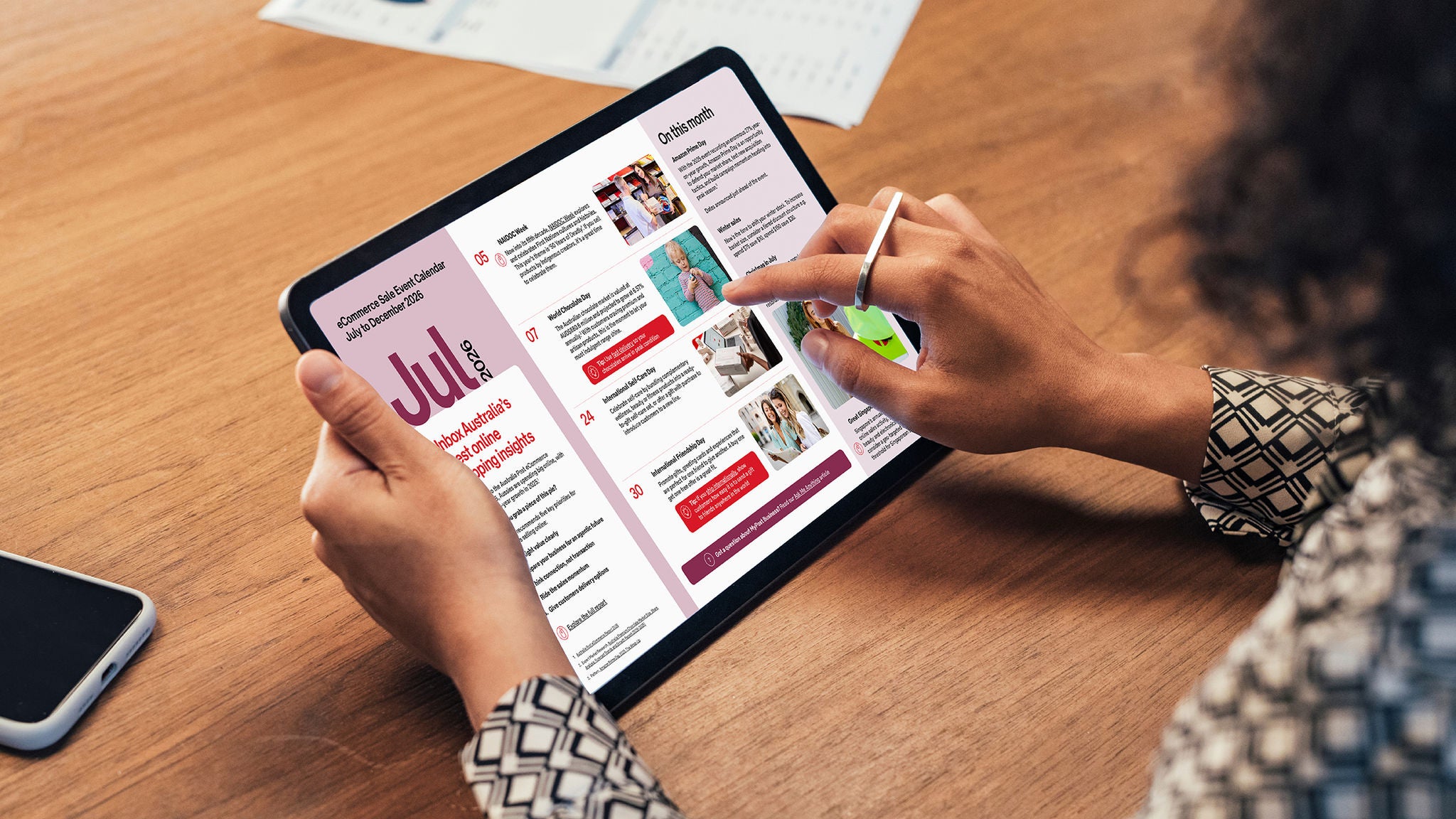
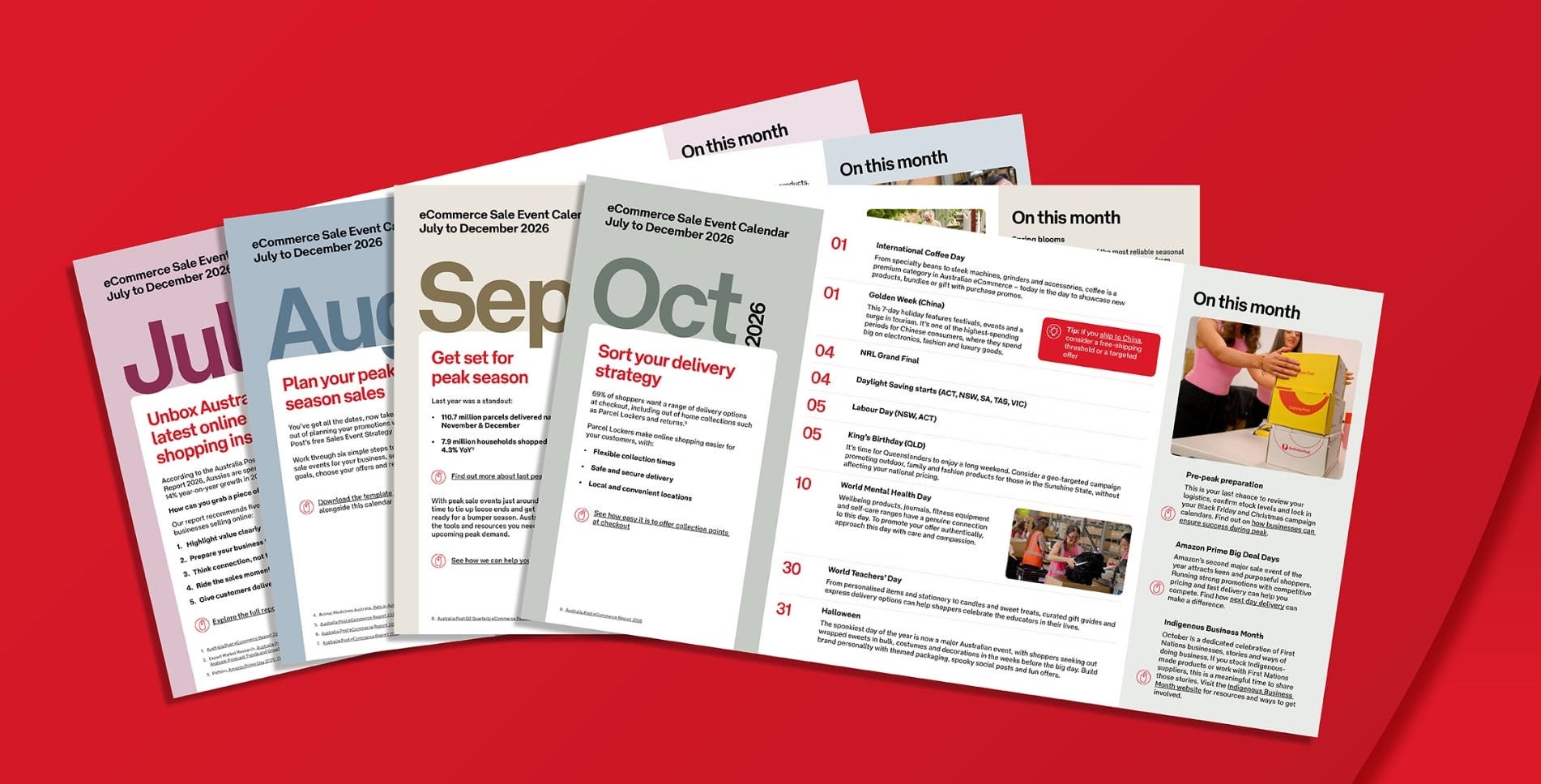
Are you ready for a bumper second half of the year? The Australia Post eCommerce Sale Event Calendar (PDF 2.5MB) for July to December 2026 is packed with dates for Australian online sales and opportunities, plus key international sales to help drive expansion. 

Key points

  • Plan ahead for the second half of 2026 using our eCommerce Sale Event Calendar (PDF 4.9MB).
  • This half contains some of the biggest online sales of the year, including Cyber Weekend and pre-Christmas sales. 
  • Today’s shoppers prefer to wait for sale events before buying, with 81% shopping around for the best deal.1

Why Australian online sales events matter for your business

Who doesn’t love a bargain? While sales events have always been popular, shoppers today are more likely to wait for a sale before making a purchase; and are becoming more strategic in how and when they spend.

  • 73% of Aussie shoppers wait for sales events before buying.¹
  • 81% of Aussies shop around for the best deal, so it’s important to make your savings clear.¹ 
  • Black Friday online sales jumped 9.3% to $8 billion in 2025.2

Upcoming sales in Australia and internationally 2026

Our eCommerce Sale Event Calendar (PDF 4.9MB) brings together key dates, valuable customer insights and tips for making the most of sale events in Australia and overseas.  Here's a snapshot of the key dates.

July 2026

  • 5 July, NAIDOC Week
  • 7 July, World Chocolate Day
  • 24 July, International Self-Care Day
  • 30 July, International Friendship Day
  • Amazon Prime DayWinter Sales
  • Christmas in July
  • Great Singapore Sale

August 2026

  • 3 August, Picnic Day (NT)
  • 8 August, International Cat Day
  • 8 August, Royal Queensland Show (aka Ekka)
  • 9 August, Book Lovers Day
  • 22 August, Children’s book Week
  • 26 August, International Dog Day
  • 30 August, Sydney Marathon 
  • Thailand Grant Sale
  • Afterpay Day

September 2026

  • 6 September, Father’s Day
  • 9 September, 9.9 Super Shopping Day (SE Asia)
  • 10 September, R U OK? Day
  • 26 September, AFL Grand Final
  • 28 September, King’s Birthday (WA)
  • Start of spring
  • School holidays

October 2026

  • 1 October, International Coffee Day
  • 1 October, Golden Week (China)
  • 4 October, NRL Grand Final
  • 4 October, Daylight Savings starts (ACT, NSW, SA, TAS, VIC)
  • 5 October, Labour Day (NSW, ACT)
  • 5 October, King’s Birthday (QLD)
  • 10 October, World Mental Health Day
  • 30 October, World Teacher’s Day
  • 31 October, Halloween
  • Pre-peak preparation 
  • Amazon Prime Big Deal Days
  • Indigenous Business Month  

November 2026

  • 2 November, Recreation Day (TAS)
  • 3 November, Melbourne Cup Day (VIC)
  • 8 November, Diwali
  • 9 November, National Recycling Week
  • 11 November, Singles Day
  • 11 November, Remembrance Day
  • 12 November, Click Frenzy: The Main Event
  • 26 November, Thanksgiving (USA)
  • 27 November, Black Friday
  • 27 November, Green Friday
  • 28 November, Small Business Saturday
  • 28 November, AFLW Grand Final
  • 30 November, Cyber Monday

December 2026

  • 4 December, Hannukah
  • 12 December, Double 12 (China and SE Asia)
  • 12 December, Harbolnas (Indonesia)
  • 21 December, Summer Solstice
  • 24 December, Christmas Eve
  • 25 December, Christmas Day
  • 26 December, Boxing Day Sales
  • 31 December, New Year’s Eve
  • Dubai Shopping Festival (UAE)
  • Summer holidays begin

How to plan for the next big sales in Australia in 2026 

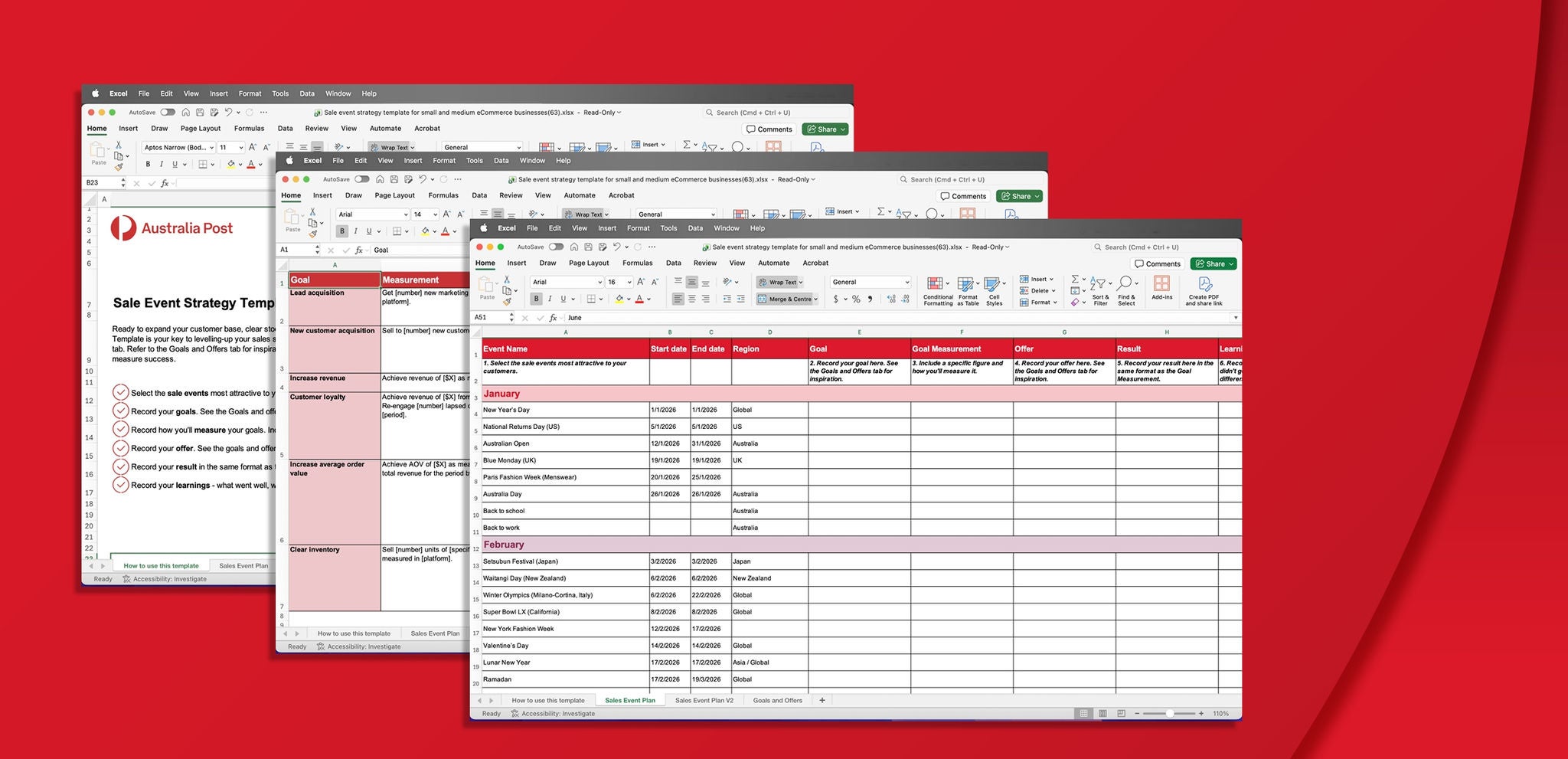
To stay one step ahead of the competition and to hit your customer acquisition, retention and revenue goals, you need a solid strategy for sale events. Our Sale Event Strategy Template (XLS 110kB) can help with six easy steps to make planning simple.

1. Choose the events your customers will care about

Review the 2026 calendar and select the events most aligned to your audience, product categories and seasonal trends.

2. Set a clear goal for each event

You may be aiming to attract new shoppers, engage loyal customers, clear seasonal stock or grow revenue.

3. Create a measurable goal

Record a specific measurement such as new customers, units sold, average order value (AOV) or revenue.

4. Plan your offer and customer experience

Different goals call for different offer types. Delivery can also influence conversion.

5. Record your results

Document your actual results using the same measurement you set out in your goal.

6. Capture your learnings

Keeping track of what worked, what didn’t and what you’d do differently helps refine your approach across the year.

What kind of offers should I run during sales?

The offers you should promote will depend on your goals, plus what will appeal most to your target audience. The Sale Event Strategy Template (XLS 110kB) outlines how you can tailor offers to meet your goals.

When your sale goal is lead acquisition

If your eCommerce sale goal is lead acquisition (new newsletter sign-ups or social media followers), consider these offers:

  • Sign up for early access to upcoming sales with email and SMS notifications
  • Wishlist promotion with notifications for price drops
  • Spin to win promotion

Articulate your goal clearly. For example:

  • Get [number] new marketing sign-ups/new social media followers as measured in [your marketing platform/ X social media platform].

When your sale goal is new customer acquisition

If your eCommerce sale goal is more orders from shoppers who haven’t purchased from you before, consider these offers:

  • % off (sitewide or select products or categories)
  • Buy Now Pay Later promotion
  • Referral reward - Give a friend $10 and get $10 to spend yourself
  • Free shipping.

Articulate your goal clearly. For example:

  • Sell to [number] new customers as measured in [your marketing platform]
  • [$] of sales from new customers as measured in [your marketing platform].

When your sale goal is to increase revenue

When your goal is to increase overall revenue, consider these types of offers:

  • Gift with purchase
  • Sitewide %-off flash sale.

Articulate your goal clearly. For example:

  • Achieve revenue of [$X] as measured in [platform]
  • Increase year on year revenue by [X%] to [$] in the period [date – date].

When your sale goal is to increase customer loyalty

Rather than spending time and money winning new customers, it can be more cost-effective to encourage repeat purchases from existing customers. Consider tactics like:

  • Double loyalty points for a certain period
  • Members-only early access to sales
  • Exclusive discount for VIPs
  • Birthday or anniversary rewards
  • 'We miss you' win-back discount code
  • Members only free express shipping for a limited time.

Articulate your goals clearly. For example:

  • Achieve revenue of [$X] from return customers as measured in [platform]
  • Re-engage [number] lapsed customers who have not made a purchase for [period] as measured in [platform].

When your sale goal is to increase average order value (AOV)

Increasing average order value is another way to make the most of the customers you’ve already acquired. Consider offers like:

  • Free shipping for orders over $X
  • Notifications at checkout 'You're $X away from free shipping'
  • Spend and save - Spend $100, save $20, Spend $150, save $50
  • Bundle complementary products
  • Upsell at checkout - You've unlocked a special price for X product
  • Free samples for orders over $X.

Articulate your goal clearly. For example:

  • Achieve AOV of [$X] as measured in [platform], calculated by dividing the total revenue for the period by the total number of orders.

When your sale goal is to clear inventory

Old stock takes up space and hinders cash flow. Shift slow-moving items with compelling sale offers including:

  • Buy one, get one free
  • Buy two, get third free
  • Buy one, get second 50% off
  • Mystery boxes
  • Build urgency - warehouse clearance, last chance sale
  • Free shipping for orders over $X

Articulate your goal clearly. For example:

  • Sell [number] units of [specific inventory set - season/SKUs etc] as measured in [platform].

Drive sales success with delivery offers and a great delivery experience

When designing the sale event strategy for your business, keep in mind the power of delivery options and delivery experience as a lever to:

  • Drive down cart abandonment
  • Drive up AOV
  • Increase NPS
  • Increase return purchases and customer lifetime value (CLV).

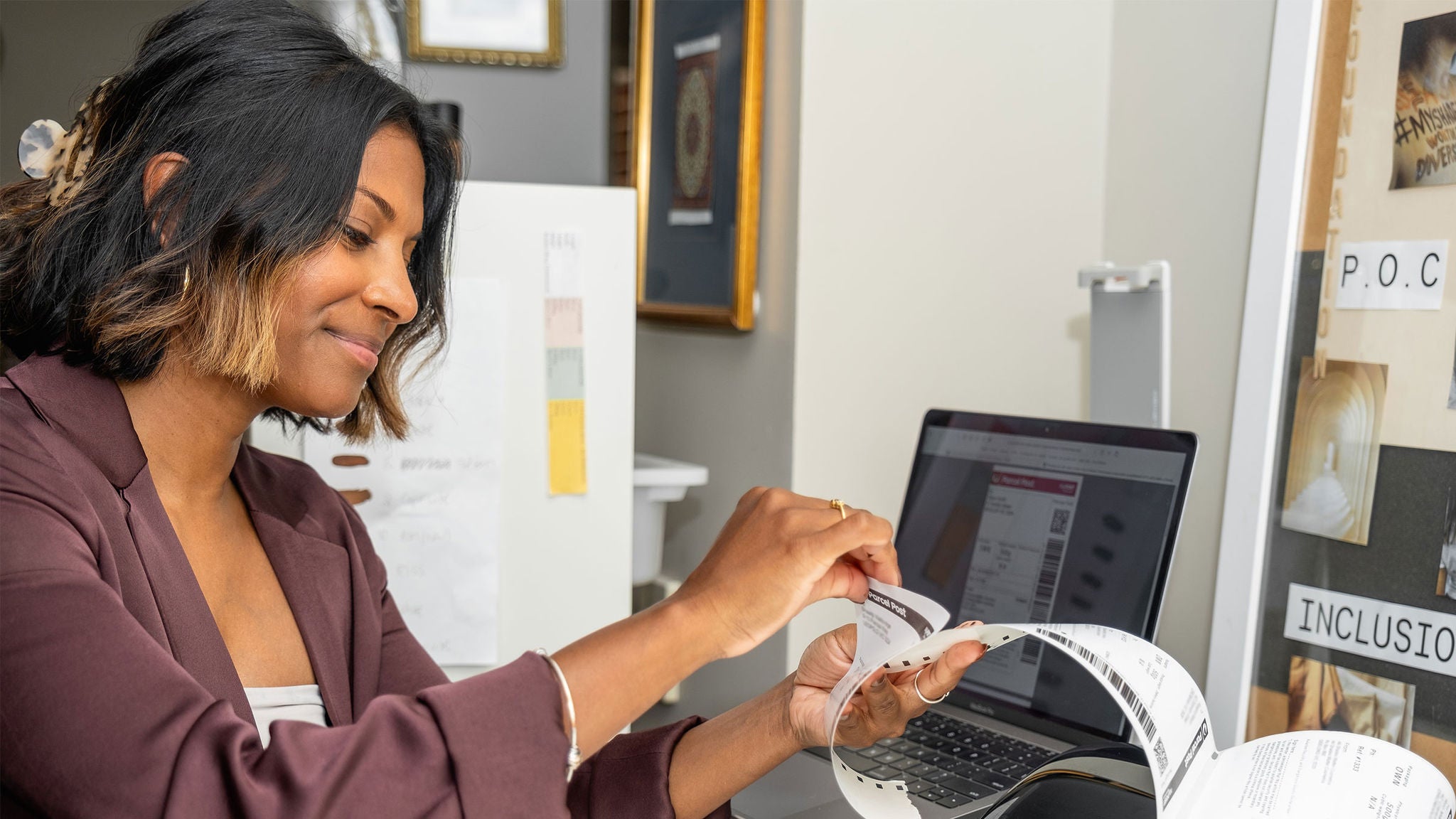
The question is, what do shoppers want from deliveries? The need for speed is increasing, with 26% of consumers expecting same-day or next-day options for time sensitive or special occasion orders.1 Shoppers also appreciate more flexibility, with 69% wanting a range of delivery options at checkout, including out of home collections such as Parcel Lockers and returns.1

For example, at THE ICONIC, fast and reliable delivery is an important lever for conversion and retention. “We’re seeing an increasing demand for orders to arrive in under 48 hours (measured from checkout time to delivered),” says Blake Egglestone, Associate Delivery Director, THE ICONIC.

Make 2026 the year your sale event strategy shines

When you choose the right events and prepare with purpose, each sale event becomes an opportunity to attract new shoppers, engage loyal customers and grow revenue.

Together the eCommerce Sale Event Calendar (PDF 4.59B) and the Sale Event Strategy Template (XLS 110kB) help you choose the right events, set clear goals and plan compelling offers for the year ahead.
Want to save money on parcel sending?

The more you send with MyPost Business, the more you save. In fact, you can save up to 40% off domestic parcels and up to 35% on international parcels.