
eCommerce Guide: How to create a customer loyalty plan
Create a customer loyalty program to keep your customers coming back and increase customer lifetime value. This guide steps you through how to set goals, design and measure a successful rewards program.
Key points
- A well-designed customer loyalty plan can lift repeat purchase rate, average order value and customer lifetime value while reducing reliance on discounting.
- Shoppers say the most meaningful rewards are tangible and financial – especially free shipping, discounts on future purchases and free gifts or samples.
- This guide walks you through selecting the right structure to meet your goals and how to measure core metrics.
What is an eCommerce customer loyalty program?
eCommerce customer loyalty programs are a structured approach to rewarding online shoppers for repeat purchases and engagement. They incentivise behaviours such as buying more frequently, increasing basket size, referring friends or engaging with content. Rewards can include discounts, free shipping, early access to sales or product releases and exclusive products or experiences.
The goal of eCommerce customer loyalty programs is to increase customer retention, improve profitability and build long‑term relationships through consistent, value‑led experiences.
The strongest programs combine compelling rewards with memorable content and communications, great delivery experience, easy returns and a smooth experience across physical (when relevant) and digital stores.

Why customer loyalty matters
Retaining existing customers is usually far more cost‑effective than constantly acquiring new ones. The Australian Post 2025 eCommerce Report reveals that Australians shopped with an average of 16 online retailers in 2024, up from nine in 2018 and 62% of shoppers switched brands to save money. Switching brands to cut costs was most common with younger shoppers: 76% of Gen Zs, 67% of Millennials and 61% of Gen Xs compared with half of Baby Boomers and Builders.1
When it’s easy to switch, and especially when competitors offer similar products, it’s essential that shoppers have a reason to remain loyal to your business. A customer loyalty program can be a powerful tool in increasing repeat purchases, nurturing trust and ultimately increasing customer lifetime value.
Types of customer loyalty programs
The right type of customer loyalty program for your business depends on your margins, purchase frequency for the products you sell and customer behaviour.
Most eCommerce customer loyalty programs fall into one of five types:
● Points-based customer loyalty programs
● Tiered customer loyalty programs
● Paid customer loyalty programs
● Hybrid customer loyalty programs
● Values-based customer loyalty programs
Points‑based customer loyalty programs
In this popular type of program, customers earn points when they purchase and in some cases when they take actions such as leaving reviews, referring friends or engaging with your brand on social media.
Points are usually awarded for every dollar spent. You can run double-points campaigns or award bonus points for buying specific products or shopping during promotional events.
Points are then redeemed for discounts, free products or other rewards. This model works well in high-frequency categories like beauty, fashion and consumables where customers buy multiple times a year.
Tips:
- Keep the points‑to‑value ratio simple (for example, one point for every dollar spent, 100 points = $5 off)
- Avoid long lists of exclusions that make rewards feel hard to use
- Use points expiry rules that encourage activity without feeling unfair
- Highlight how many points customers will be earning at checkout.
Points-based loyalty program examples
Adore Society – Adore Beauty
Adore Society is a points-based program where customers earn points on purchases and redeem them for discounts.
Benefits:
- Earn $20 credit for every $250 spent
- Selection of gifts, with value of gifts increasing in upper tiers
- Birthday or anniversary rewards, with the value increasing in line with tiers.
Priceline Sister Club – Priceline Pharmacy
Priceline Sister Club members earn points, with the points value of a dollar spent increasing as they progress from Sister Club tier to Diamond tier and Pink Diamond tier.
Benefits:
- 400 points = $5 off
- ‘Pink carpet’ early access to sales
- Birthday rewards for highest tier members.
Petstock Rewards – Petstock
Petstock Rewards members earn Pet Cash on selected products and redeem them for future discounts.
Benefits:
- Earn Pet Cash on select products – Pet Cash amounts are marked on individual products
- Redeem Pet Cash within three months
- Petstock spend also counts towards the separate everyday rewards program.
Tiered customer loyalty programs
Tiered customer loyalty programs reward activity over time. Customers unlock more benefits as they move up tiers based on spend, order frequency or engagement. They are popular with fashion, beauty and lifestyle brands, where status, access and experience can matter as much as discounts.
Typical tier benefits include increasingly better rewards as shoppers progress up through the tiers, early access to new collections, exclusive product drops, free alterations or styling services, priority customer support and invitations to events.
Tips:
- Use clear, achievable thresholds so customers can see how close they are to the next tier
- Provide a meaningful welcome benefit to encourage early engagement
- Offer experiential rewards at higher tiers to differentiate value without relying on heavy discounts.
Tiered customer loyalty program examples
Beauty Loop – MECCA
Beauty Loop uses four spend-based tiers to reward loyalty.
Benefits:
- Quarterly sample boxes
- Birthday surprise
- Masterclass invitations.
Country Road Rewards – Country Road
Country Road Rewards has five tiers from a standard member to VIP platinum.
Benefits:
- Spend and save every time a member spends over $100
- Birthday and anniversary rewards
- Reward expiry period increases at higher levels.
Australia Post - MyPost Business
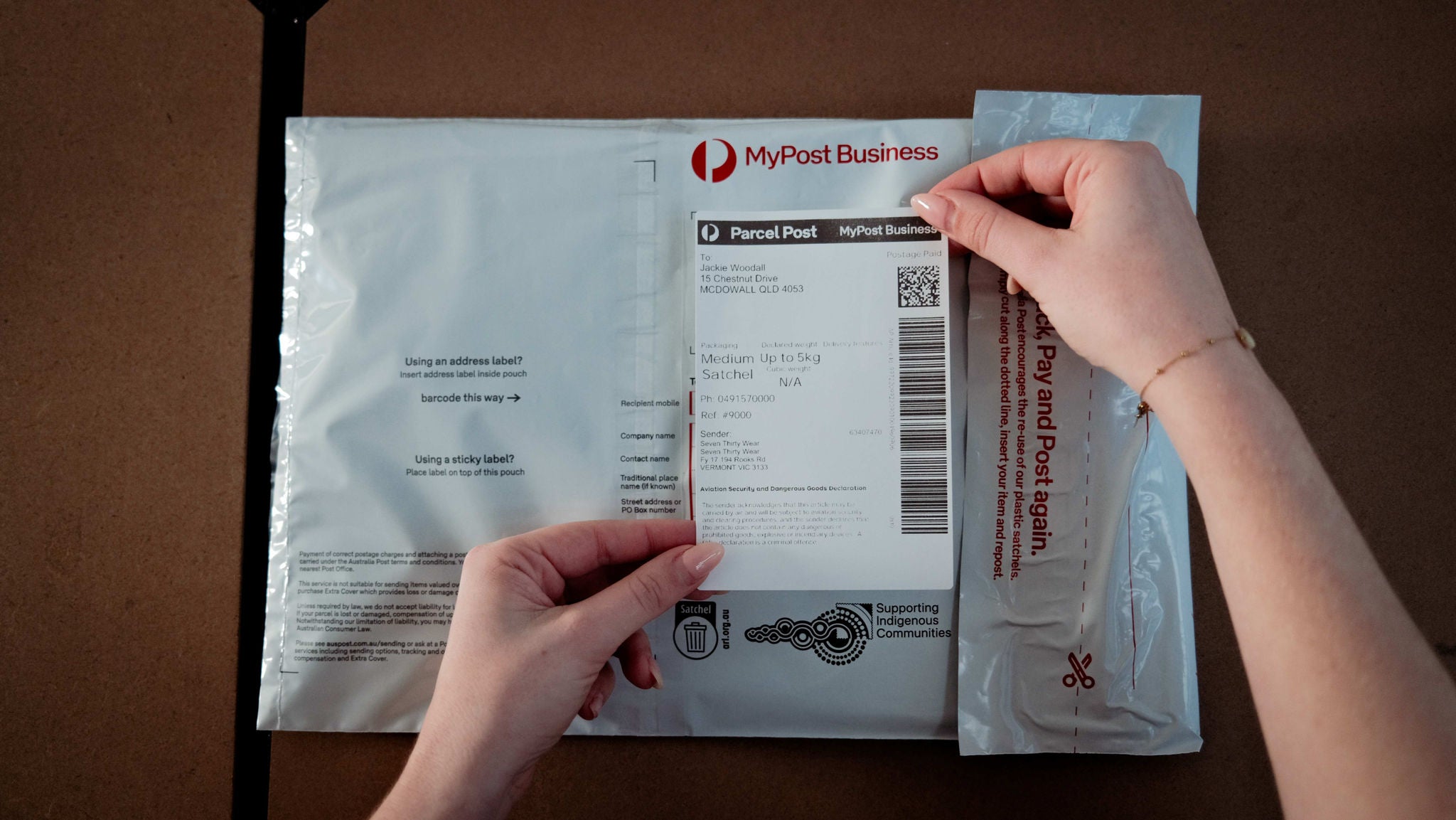
Business to business customer loyalty programs are often tiered. MyPost Business has tiers 0 – 5 and customers move up the bands based on their spend over the past four weeks, or 12 months.
Benefits:
- Savings start when a customer spends $50 on parcel sending in the previous four weeks and increase as spend increases, up to 40% off domestic spending and up to 35% off international sending at highest tiers.
- MyPost Business integrates with Shopify, eBay and other platforms helping streamline labelling, booking pickups and sending.
Paid customer loyalty programs
In a paid membership or subscription customer loyalty program, shoppers pay a recurring fee in exchange for benefits. These might include free or discounted delivery, member‑only prices or bonus rewards. This structure works when the membership clearly pays for itself through the benefits offered and when your cost to serve is predictable.
Tips:
- Make the ROI calculation obvious, for example: ‘your membership pays for itself within your first two orders’
- Provide a free trial to reduce sign-up friction.
Paid customer loyalty program examples
Kogan First – Kogan
Kogan First offers a 14-day free trial, after which members are charged $14.99 per month or $129 per year (as at December 2025).
Benefits:
- Free shipping on many eligible items
- Exclusive member prices
- Chance to win cash and prizes.
Club BCF – BCF
Club BCF offers members exclusive pricing, personalised offers and early access to promotions across outdoor, camping and fishing gear.
Benefits:
- Member-only pricing
- Competitions
- Receipt-free warranty (receipts kept on member account).
Hybrid customer loyalty programs
Hybrid programs combine points, tiers and paid benefits. For example, you might run a free points‑based model for all customers, add tiers for higher spenders and offer an optional subscription that boosts points or unlocks free express delivery. Hybrid customer loyalty programs are useful when you serve both high‑frequency and high‑value customers or operate across multiple categories. The challenge is keeping the program easy to understand.
Tips:
- Consider whether you need a hybrid approach – the more complex the program, the more complicated and expensive it is to run
- Use a single dashboard or explainer page to help customers understand how the elements work together
- Avoid overlapping benefits that add cost to you without improving the experience.
Hybrid customer loyalty program examples
MYER one – Myer
MYER one combines spend-based credits, tier recognition and partner benefits, giving customers multiple ways to earn and redeem rewards.
Benefits:
- Two points for every $1 spent
- $10 for every 1,000 points
- More valuable benefits at higher tiers.
Values-based customer loyalty programs
Values-based loyalty programs reward customers not just for purchases but for actions that align with your brand purpose—such as recycling, choosing low-environmental-impact delivery options, supporting community initiatives or participating in sustainability activities.
This model is emerging. Rewards can include points, recognition badges, exclusive content or donations made on behalf of the customer.
Tips:
- Connect rewards to actions that reflect your brand values, for example: return a garment for repair and earn 50 points
- Use transparent reporting so customers can see the collective impact of their actions
- Combine values-based rewards with financial incentives to balance purpose and practicality.
Six steps to creating a customer loyalty program for your business
Step 1: Define your goals
Being clear about your goals will help you decide which type of loyalty program and offers are right for your business. Is your focus on increasing average order value or purchase frequency, or is it about retaining more customers?
Step 2: Understand your customers
Once you understand your goals and customers you can evaluate which type of program aligns well with their habits and needs.
To build a clear picture of who your customers are and what they value most consider:
- purchase frequency
- average order value
- location
- age group.
Step 3: Offer attractive rewards
Shoppers want rewards with tangible financial benefits. The most highly valued offers include free shipping, discounts or cashback and free gifts or samples. Invitations to exclusive events or experiences are among the least attractive to shoppers.1
- 70% want a loyalty program to offer free shipping
- 58% want discounts or cashback on future purchases
- 56% want free gifts or samples.1
For most eCommerce retailers, this means anchoring your program around delivery benefits and savings first, then layering on experiential elements once the basics are in place.
Consider these potential rewards to include in your loyalty rewards program:
- Free or discounted standard shipping for members
- Free express upgrades for higher tiers
- Money‑off vouchers members earn after a certain spend
- Free samples with orders in categories like beauty and toys
- Early access to sale events and new collections.
Step 4: Select technology and integrate with your stack
Technology is critical to the success your loyalty program. Choose a platform or app that:
- Makes it easy to run your program
- Connects smoothly with your existing systems
- Integrates with your eCommerce platform, payments, email service and, if relevant, point‑of‑sale and warehouse systems
- Fits within your budget.
There are many options available that require minimal investment. Plug-and-play loyalty apps available for small and medium retailers on Shopify can help launch your program quickly, without heavy development. Stores on WooCommerce can choose between off‑the‑shelf plugins and more customised solutions, depending on in‑house skills.
Whichever platform you choose, aim for one that gives you:
- Real‑time points, vouchers and tiers syncing
- A single customer profile that unifies online and where relevant in‑store activity
- Reporting that lets you track key metrics like repeat purchase rate and average order value uplift.
Step 5: Connect loyalty to delivery and returns
Delivery and returns are critical to building customer loyalty. Seamless delivery builds trust with your customers, while free delivery and friction-free returns contribute to positive customer experiences.1
- 85% say a reliable delivery experience will be the most important factor in trusting online retailers over the next five years
- 56% rate free delivery as their top delivery preference
- 65% say friction‑free returns contribute to a great online shopping experience.1
You can use your loyalty program to highlight these benefits and make them feel exclusive for members.
For example:
- Offer free standard shipping for all loyalty members, with a reasonable minimum spend
- Provide next day delivery upgrades for higher tiers during peak periods
- Give members extended returns windows or simplified return labels
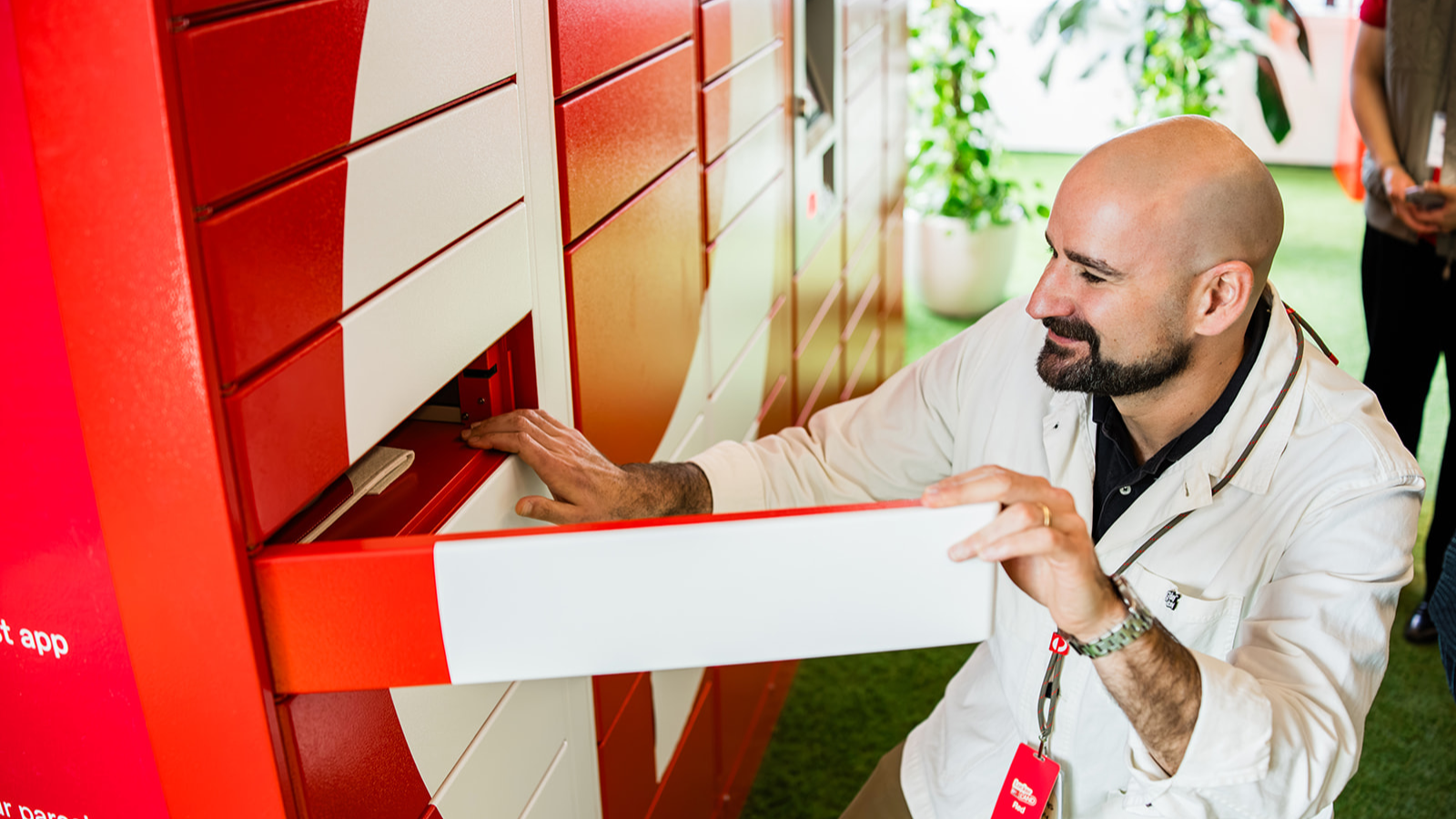
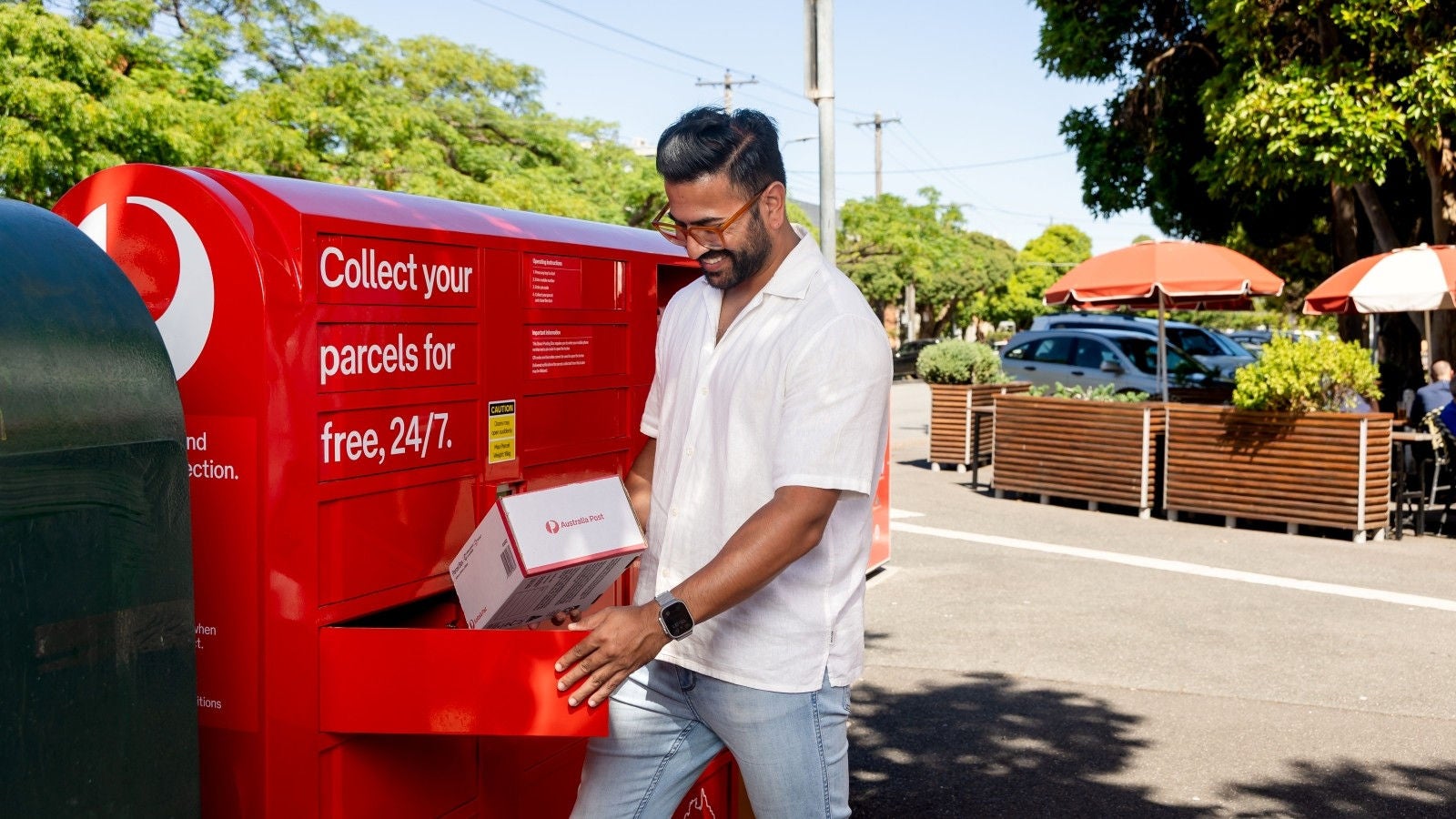
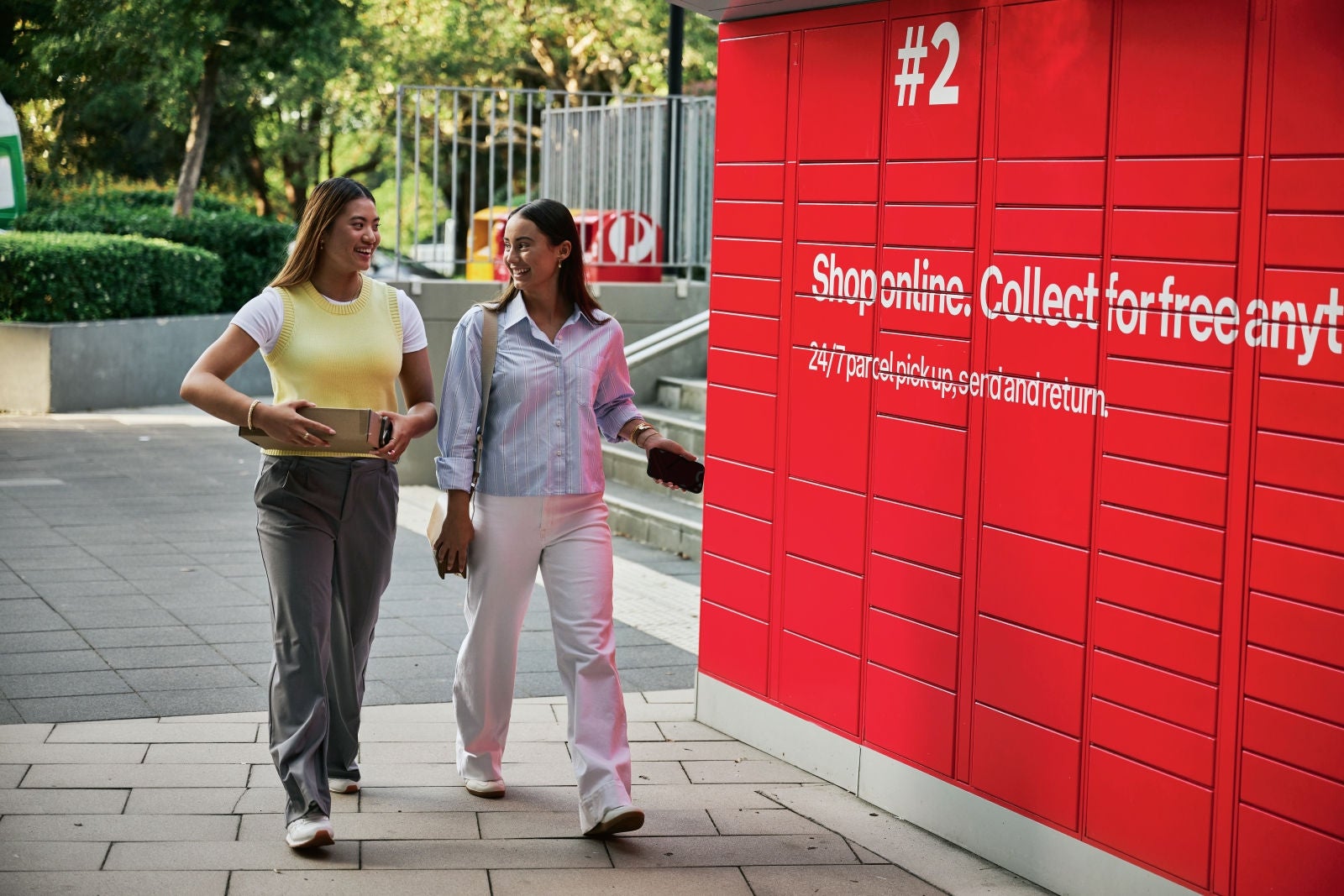
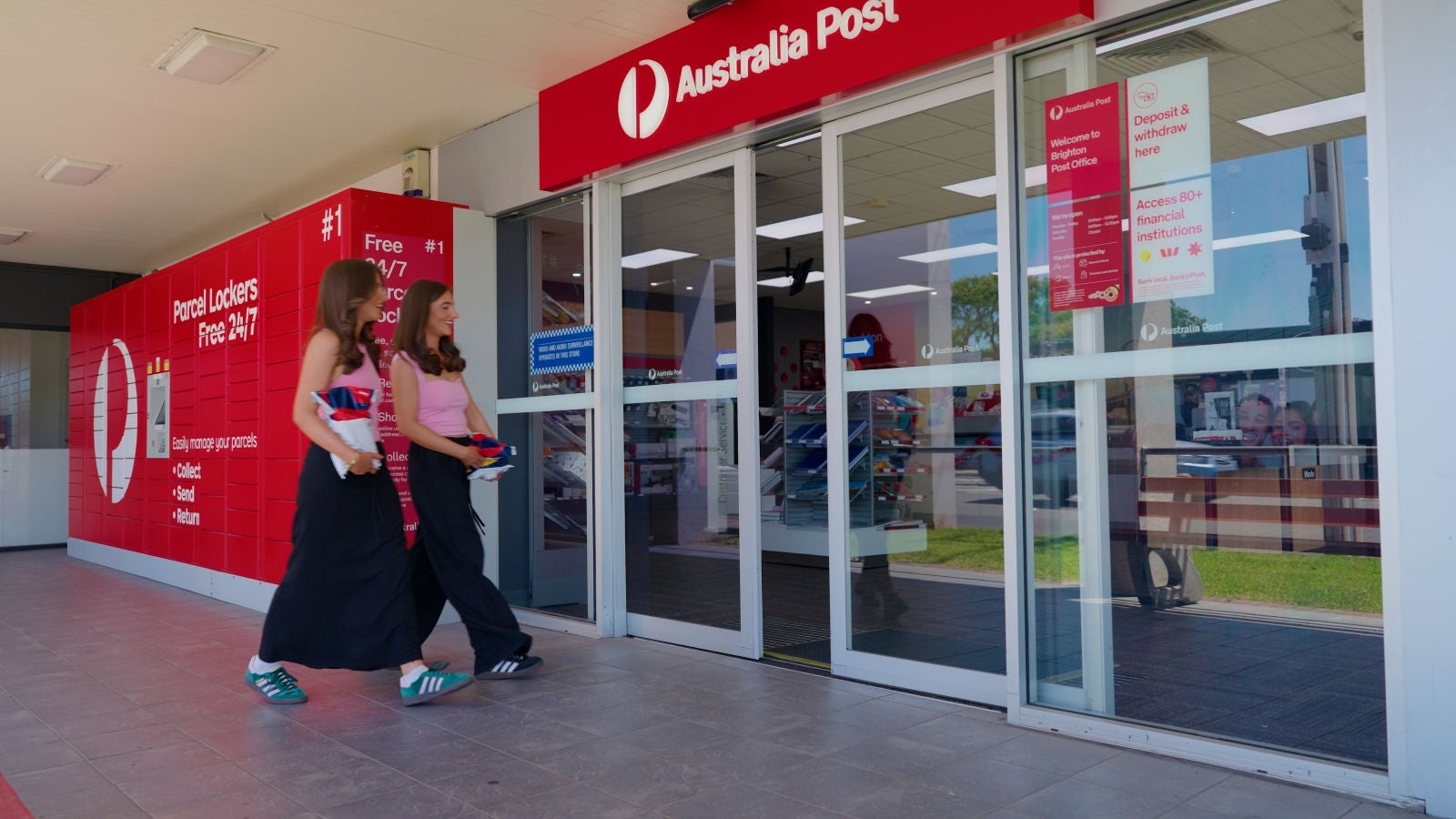
- Promote out‑of‑home collection options, such as parcel lockers, for convenience.
Step 6: Launch, measure and refine
Measuring the impact of your loyalty rewards offers is critical to understand what resonates with your customers. To begin with, focus on a handful of carefully chosen metrics.
Start with a simple proposition such as offering free shipping when members spend over a set value. Test it with your existing customers. Does it lift average order value? How many customers redeemed the offer? Measure its impact and iterate based on the results.
Core customer loyalty metrics to track
Repeat purchase rate (RPR)
What it measures: This customer loyalty metric tells you the percentage of customers who place more than one order in a given period.
Use when: you want to measure how effectively your program turns first‑time buyers into repeat customers.
Industry benchmark: RPR of 20% and 30% is typical for eCommerce businesses.2
Formula: Repeat purchase rate = (Number of customers who placed more than one order ÷ total customers in the period) × 100.
Average order value (AOV) uplift
What it measures: This customer loyalty metric helps you understand the change in the average order value of customers and compares the AOV of loyalty members to that of non‑members.
Use when: you want to learn whether your program encourages customers to spend a little more each time they shop – for example, to reach a free‑shipping threshold or unlock a bonus.
Industry benchmark: Many retailers aim for realistic goals of 5-10% uplift in AOV.3 Even small percentage gains can materially improve profitability when applied across your customer base.
Formula: AOV uplift = (Member AOV – Non‑member AOV) ÷ Non‑member AOV × 100.
Redemption rate
What it measures: The number of rewards redeemed by customers.
Use when: you want to understand whether your rewards feel achievable and valuable.
Industry benchmark: The average redemption rate for loyalty programs falls between 20% and 60%,4 with eCommerce‑only programs often at the lower end of the range. Very low redemption can signal confusing or unattractive rewards. Very high redemption may indicate your rewards are over‑generous and could erode margin.
Formula: Redemption rate = (Number of rewards redeemed ÷ Total rewards issued) × 100.
Member activation and participation
What it measures: This customer loyalty metric measures the percentage of new sign‑ups who complete their first qualifying action – such as earning points or making a purchase – within a set timeframe.
Use when: you want to understand ongoing engagement, such as how many members earn or redeem in a given period.
Industry benchmark: 50–70% of new members activating within the first 30 days indicates a well-designed program.5 Activation tends to be higher in categories with frequent purchases, such as beauty and grocery.
Formula: Member activation rate = (New members who complete a qualifying action ÷ Total new members) × 100.
Participation rate = (Active members in the period ÷ Total members) × 100.
Churn and reactivation
What it measures: Churn measures the proportion of members who become inactive over a defined period (for example, no purchases for six or twelve months). Reactivation rate measures how many of those lapsed members return after a targeted campaign.
Use when: you operate in a competitive eCommerce environment where shoppers are willing to switch brands to save money. Win‑back offers, reminders and refreshed rewards can bring high‑value lapsed customers back into the fold.
Industry benchmark: While Australian loyalty program churn rate data is scarce, the average sits around 13% in the USA.6
Formula: Churn rate = (Number of inactive members ÷ Total members at the start of the period) × 100.
Reactivation rate = (Number of previously inactive members who make a purchase ÷ Total inactive members targeted) × 100.
Common challenges – and how to avoid them
Even good ideas can stall in execution. The most common loyalty program challenges include misaligned incentives that lead to low redemption rates and reduced margins, over‑reliance on discounts and technical integration issues.

To avoid these pitfalls:
- Keep the proposition simple and clearly communicate how the program works
- Combine financial rewards with delivery, service and experience benefits
- Choose platforms that integrate cleanly with your eCommerce and fulfillment partners
- Review performance regularly and adjust rules before costs escalate.
Putting it all together
When executed well, loyalty programs can be very effective in retaining existing customers, boosting profitability and building long-term relationships.

The good news is, your first loyalty program doesn’t need to be complex.
Start by understanding your shoppers, then choose a structure that matches your economics. Make sure you offer meaningful rewards anchored by reliable delivery and returns and use your data to refine the program over time.
Listening to your shoppers and continually improving your loyalty experience will give you a solid foundation for growth.
MyPost Business can help with your parcel sending
From automating shipping label creation to booking parcel pickups, MyPost Business is here to help eCommerce businesses save time and money every send.
1 Australia Post, eCommerce Report 2025
2 Opensend, 7 Repeat Purchase Rate Statistics For eCommerce Stores
3 Shopify, Average Order Value: Formula, Benchmarks and 7 Ways to Increase It (2026)
4 Umbrex, Redemption Rate Analysis
5 Umbrex: Loyalty Enrollment Analysis
6 Faster Capital, Loyalty program customer churn rate: Maximizing Customer Loyalty: Strategies to Reduce Churn Rate