Black Friday and Cyber Monday are two of the biggest shopping events on the retail calendar – so let’s take a look at how to create a Black Friday sale strategy that sends your customers into a shopping frenzy.

Key points

  • Start planning your marketing, website and fulfilment strategy early to maximise sales opportunities.
  • Consider extending your promotions beyond Cyber Weekend to meet changing shopper behaviour.
  • Our eCommerce Calendar keeps you up to date with online sale events, and provides practical tips to help you use these events to boost success.

What are Black Friday and Cyber Monday, and why are they important for online retailers? 

Black Friday and Cyber Monday, often referred to collectively as Cyber Weekend, are two of the biggest shopping events on the retail calendar. What began as a US shopping tradition has evolved into a major global sales event, with retailers offering discounts across both in-store and online channels.

Every year, millions of shoppers actively seek out deals on everything from fashion and beauty products to electronics and homewares. For retailers, the event is an opportunity to drive sales, clear seasonal inventory, attract new customers and build brand awareness ahead of Christmas.

Unlike organised sale events such as Click Frenzy, Afterpay Day and Vogue Online Shopping Night, Black Friday and Cyber Monday don't require businesses to register or pay a participation fee. Which means you have complete flexibility over when you run promotions, what you discount and how you engage with customers.

Whether you choose to run a flash sale, a week-long promotion or exclusive offers for loyalty members, you can tailor your strategy to suit your business goals.

Black Friday continues to be Australia's most anticipated sales event, with 44% of shoppers looking forward to it in 2025.1 Despite ongoing cost-of-living pressures, consumer demand remained strong in 2025, with online purchases increasing 6.3% year-on-year.2 Over the four-day Black Friday and Cyber Monday sales period, Australians spent around $1.5 billion online, with 3.1 million households taking part.3

What are the best Black Friday sale strategies for eCommerce businesses?

Before launching your sale, it's important to define what success looks like for your business.

For some retailers, success means clearing stock. For others, it could mean acquiring new customers, improving conversion rates or increasing loyalty program membership.

Anthony Minchin, Digital & Operations Manager at Australian fashion brand Morrison, says their Black Friday promotion focuses on four main goals, each with their own measurement metrics: 

  1. Maximising Sell-Through: Clearing seasonal stock efficiently, measured by sell-through rates.
  2. Maintaining Brand Integrity: Avoiding heavy discounting to protect the brand’s premium image, tracked via average transaction value and margins.
  3. Boosting Customer Engagement: Increasing traffic and conversion rates both in-store and online, with a focus on acquiring new customers.
  4. Encouraging Loyalty: Driving repeat business through email sign-ups and loyalty program activity.

Having clear objectives will help guide decisions around discounting, marketing spend and campaign performance measurement.

When should you start promoting your Black Friday sale?

The short answer: earlier than you might think.

Today's shoppers often begin researching products and comparing deals weeks before Black Friday arrives. In fact, 74% of shoppers saved up ahead of Black Friday sales, while many began researching products and retailers as early as October.4  Starting your promotions early can help build anticipation and ensure your brand is top of mind when customers are ready to buy.

Many successful eCommerce businesses begin teasing their offers a week or more in advance through:

  • Email marketing campaigns
  • Social media content
  • Website banners and countdown timers
  • Product wish lists and sneak peeks
  • Early-access promotions

Starting early also gives customers more time to budget for purchases and begin their Christmas shopping.

However, early promotion doesn't have to mean constant discounting. It's important to balance anticipation with preserving your brand value.

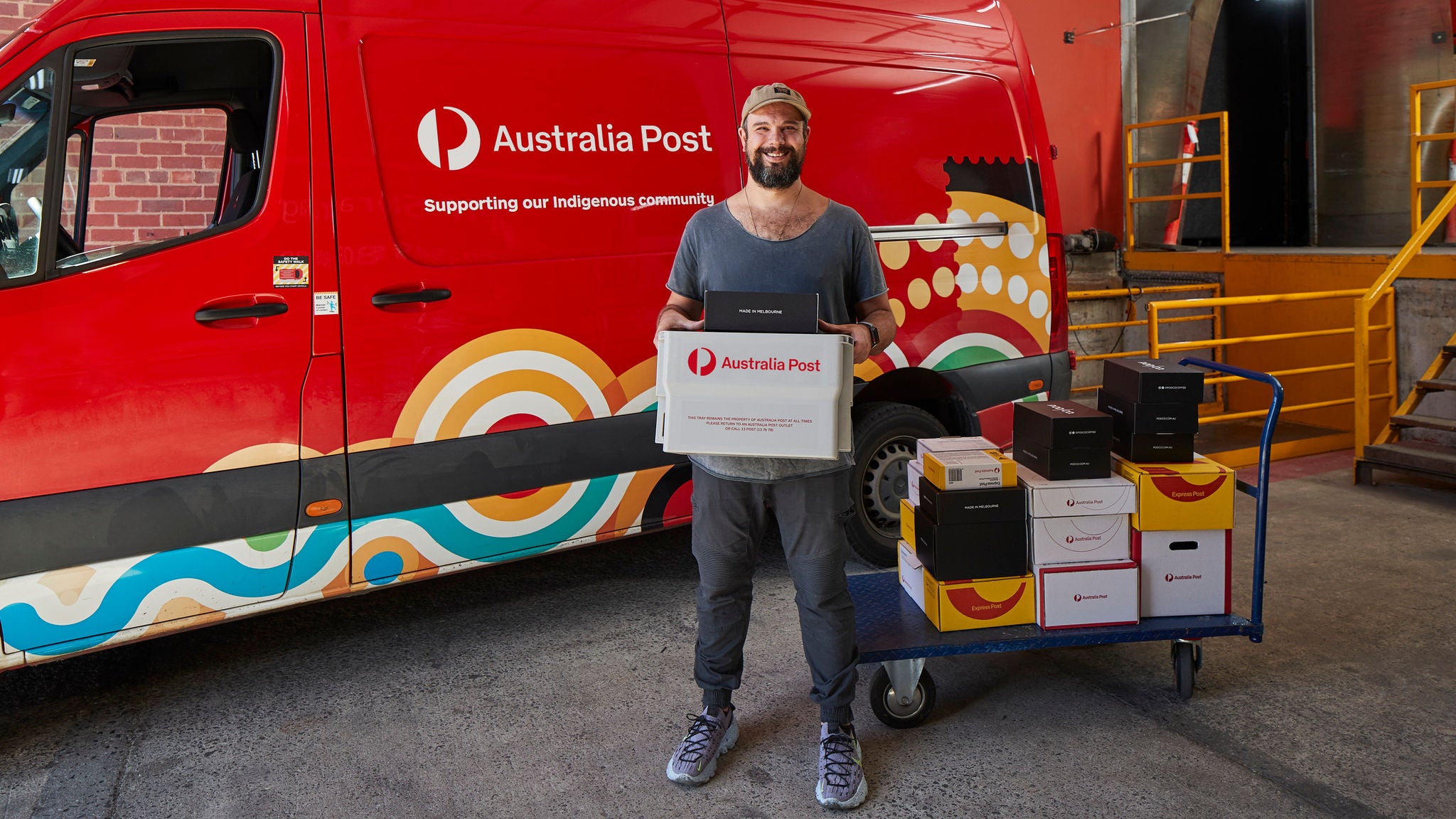
To maintain its premium positioning during sales periods, Morrison focuses on: “Emphasising quality over discounts: Instead of heavy discounts, we highlight the craftsmanship and sustainability behind our pieces, appealing to customers who value long-lasting items. Secondly, we focus on enhancing the customer experience – by providing personalised styling advice, premium packaging and free shipping to ensure a memorable shopping experience.”

How long should a Black Friday sale run?

Black Friday has evolved from a one-day sale into a weeks-long shopping event. Many businesses now extend promotions across Cyber Weekend, while others begin their Black Friday sales in early November to build momentum.

A longer campaign can help:

  • Capture early shoppers
  • Reduce pressure on website performance and customer service and fulfilment teams
  • Keep customers engaged over multiple days
  • Create opportunities for new offers and product launches

The ideal duration depends on your goals. If you're looking to create urgency and move inventory quickly - a short, highly targeted promotion may work best. If your goal is to maximise revenue, attract new customers and keep shoppers returning, an extended Cyber Week strategy may deliver better results.

Whatever length you choose, ensure customers clearly understand when offers start and end.

How can you create exclusive Black Friday deals that stand out from competitors?

With so much noise in the market during this time, look for opportunities to add value through exclusive products and experiences - rather than competing on price alone. Some brands have generated significant attention during past Black Friday campaigns by taking a more creative approach. This could look like:

  • Turning the lead-up to Black Friday into a game. Hide exclusive discount codes throughout your website or store, encouraging shoppers to browse before the sale begins.
  • Offer something exclusive instead of a discount. US bookshop chain Barnes & Noble is a famous example of this: they sell a series of books signed by high profile authors at standard price, available exclusively on Black Friday. 
  • Create a memorable brand experience. Skincare brand Lush once launched a limited-edition orangutan-shaped soap for Black Friday, selling it alongside a sustainability awareness message that reminded shoppers of their brand values.
  • Extend your returns policy. Some retailers give shoppers extra peace of mind during the peak season by extending their returns window. For example, Myer allows items purchased in November and December to be returned until the end of January the following year. An extended returns policy might include a longer returns period or a refund on sale items instead of the usual store credit.

The most successful promotions often combine value with creativity while remaining true to the brand.

Should loyal customers get early access to Black Friday sales?

Yes, for many businesses, giving loyal customers early access can be an effective way to strengthen relationships and reward repeat purchases. In fact, early access to sales and exclusive offers are common features of successful customer loyalty programs, helping businesses increase retention and encourage repeat purchases.

Black Friday isn't only about attracting new customers. It's also an opportunity to recognise the customers who support your business year-round.

Popular loyalty-focused offers include:

  • Early access to Cyber Weekend promotions
  • Additional discounts for loyalty members
  • Bonus rewards points
  • Free gifts with purchase
  • Exclusive access to limited-edition products

Some retailers take this further by creating tiered rewards programs where VIP customers receive the best offers and first access to popular products.

These benefits can help increase retention while encouraging more customers to join your loyalty program.

How can you create buzz and drive traffic before Black Friday?

Building anticipation is essential when shoppers are being targeted by countless offers.

A strong promotional strategy might include:

  • Social media campaigns
  • Email marketing
  • Influencer partnerships
  • Paid advertising
  • Website countdown timers
  • Product sneak peeks
  • Blog articles and buying guides
  • Video content

Increasingly, retailers are using personalised marketing to improve engagement. Tailoring offers to different customer segments can help ensure people see relevant products and promotions.

The goal is to create excitement without overwhelming your audience.

What should you do after your Black Friday sale ends?

The sale may be over, but the opportunity to build long-term customer relationships is just beginning.

Many retailers encourage repeat purchases through post-sale offers, loyalty rewards and personalised follow-up marketing during the Christmas period.

After the event, review your results to understand what worked well and where you can improve.

Key metrics to examine include:

  • Total sales revenue
  • Conversion rates
  • Customer acquisition costs
  • Repeat purchase rates
  • Email subscriber growth
  • Loyalty program sign-ups
  • Best-selling products
  • Top-performing marketing channels

Don't forget to evaluate the delivery experience as well. Consider ways to make fulfilment smoother during future peak periods, such as encouraging customers to use the AusPost app for tracking updates or providing convenient collection options like 24/7 Parcel Lockers – so their purchases are delivered first-time to a locker, and securely held.

The insights gained from Black Friday can help shape your strategy for future online sale events and support long-term business growth.

Frequently asked questions about Black Friday

Black Friday is one of the biggest shopping events of the year, with retailers offering significant discounts across a wide range of products. Although it officially takes place on the last Friday of November, many brands begin promotions weeks earlier and extend them through to Cyber Monday, which is traditionally focused on online deals.

Originating in the US, Black Friday has become a major fixture on Australia's retail calendar and is widely seen as the unofficial start of the Christmas shopping season.

Black Friday falls on the last Friday in November each year and is followed by Cyber Monday on the following Monday. In 2026, Black Friday will be 27 November, and Cyber Monday will be 30 November.

Black Friday and Cyber Monday are both major sales events, but Cyber Monday was originally focused on online-only deals, while Black Friday included both in-store and online discounts. Today, most retailers run promotions across both events, with Cyber Monday often marking the final day of the sales period.

Yes. Many shoppers begin researching gifts and comparing prices before Black Friday arrives. Starting your marketing early can help build awareness and keep your brand top of mind when customers are ready to purchase.

Many retailers now run promotions across Cyber Weekend or Cyber Week rather than limiting sales to a single day. The ideal duration depends on your objectives, product range and customer behaviour.

Early access can help reward your most valuable customers, drive loyalty program engagement and strengthen long-term customer relationships while creating a sense of exclusivity around your brand.

Selling online? We're making eCommerce easy

Save time with MyPost Business. Create labels, book pickups and manage your account all in one place.

Author

Megan Blandford

Megan Blandford is a lifestyle writer who's written for a number of businesses and publications including The Age, Sydney Morning Herald, SBS, news.com.au, Sunday Life, and more.