Many eCommerce shipping platforms default to the lowest-cost carrier unless configured otherwise. While that may reduce shipping spend in the short term, the cheapest option is not always the most reliable or cost-effective.
Key points
- Setting your shipping platform to choose carriers based on reliability, not just price, helps ensure a better delivery experience.
- Smart configuration of your shipping platform strengthens delivery performance, reduces enquiries and supports your brand promise.
- In this article, you’ll learn how a reliability‑first shipping setup improves satisfaction, protects margins and supports sustainable growth.
Shipping platforms can be a powerful tool to manage eCommerce shipping. Some businesses fall into the temptation of optimising for cheapest shipping and find later that the impact on reliability isn’t worth the perceived short-term savings.
When delivery performance dips, customer satisfaction falls, enquiries increase and repeat purchases can decline – costing you more in the long run.
How eCommerce shipping platforms can impact customer experience
Shipping platforms use automated carrier allocation rules to determine which carrier fulfils each delivery. If those rules are not reviewed, the system may prioritise cost over performance, negatively impacting delivery experience.
That’s important to keep in mind, because 78% of shoppers say delivery experience is important to them. Nearly 8 in 10 online shoppers say delivery experience affects their satisfaction.1
You can do everything else right, but if you don't have a good delivery experience, none of it matters. It's extremely important that the delivery is top notch.
Tom Walenkamp, Co-Founder and CEO, Good Pair Days
Three key elements of delivery experience are especially important to your shoppers: speed, reliability and choice.
Speed
- Most online shoppers expect parcel delivery within two to five days.2
- Millennials and Gen Xs have the highest expectations: one in two want delivery within three days.2
- One in four Gen Z, Millennial and Gen X shoppers say fast delivery is the ideal feature of future delivery experience.2
Reliability
- 85% of shoppers say a reliable delivery experience will be the most important factor in trusting online retailers over the next five years.3
- 45% of shoppers actively track their parcels, with more than two-thirds heading to the delivery provider for this information.3
Choice
- 56% of Gen Zs and 45% of Millennials would switch retailers to access out-of-home collection points.2
- Gen Z and Millennials have the strongest willingness to pay for next-day delivery.2
- Self-service redirection empowers customers to change the parcel destination while it’s on the way.
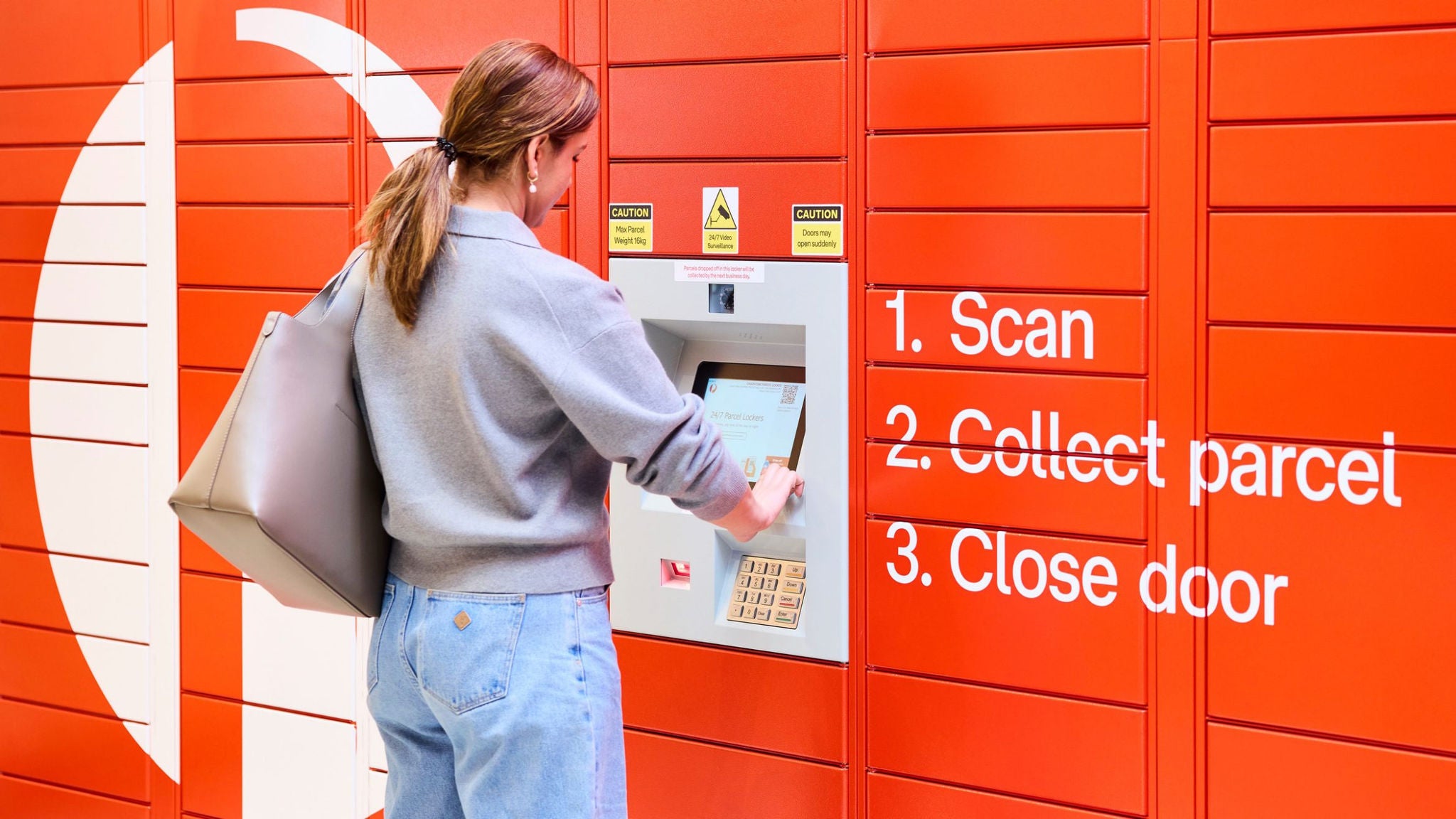
Parcel Lockers are our highest rated delivery service from an NPS perspective, because it guarantees first time delivery. Delivery is our customers' last engagement with us until they shop again, so if we provide a great experience then it leaves a very good taste in their mouth.
Guy Nappa, COO, Oz Hair and Beauty
The hidden cost of cheapest-carrier logic
Lower, unpredictable or inconsistent DIFOT
Cheaper carriers can often have lower or unpredictable DIFOT (delivery in full on time) which measures whether orders arrive complete and within the promised timeframe.
Increased customer enquiries and cost-to-serve
Even small declines in DIFOT can increase customer contact volume. Internal Australia Post analysis shows that a 1% drop in DIFOT can drive an up to 6% increase in contact centre calls.4 These enquiries increase workload, extend response times and reduce margin.
Potential for negative impact on NPS and CLV
Price-only allocation looks attractive – but often increases cost-to-serve and deteriorates Net Promoter Score (NPS), a measure of how likely customers are to recommend your business and Customer Lifetime Value (CLV) a measure of the revenue each customer delivers across their lifetime with your business.
Delivery experience is the biggest contributor when it comes to both positive and negative NPS [net promoter score]. The correlation is high.
Rostin Javadi, Chief Operations Officer, THE ICONIC
How to configure your shipping platform for reliability
Here’s how to configure your eCommerce shipping platform to prioritise reliability over price alone. If possible, configure your shipping platform before peak periods, so you’re prepared to scale up delivery when needed.
1. Set preferred carrier rules
Override cheapest-carrier defaults by prioritising services with strong reliability performance. Use secondary carriers as fallback options rather than primary routing choices.
2. Apply postcode-based allocation
Different carriers perform differently across metro, regional and remote areas. Configure rules to match carrier strengths by zone.
3. Map service levels accurately
Ensure standard and express options reflect achievable delivery timeframes. Align customer promises with carrier performance and keep your customers updated if delivery performance changes.
4. Automate tracking notifications
Enable automated tracking updates to improve transparency and reduce WISMO (where is my order?) enquiries. Remind customers they can use carrier tools like the Australia Post app to monitor and redirect their parcels.
5. Use product-level rules where appropriate
Apply signature requirements or premium services for high-value or fragile products to reduce delivery failures.
6. Monitor and adjust
Track DIFOT, customer complaints and enquiry volume regularly. Adjust carrier allocation rules when performance trends change.
Reliable delivery supports growth
An exceptional delivery experience creates competitive advantage for your brand. Shipping configuration is not just an operational task – it’s a lever that protects both margin and reputation. Start with this checklist to ensure your shipping platform settings reflect your brand promise.
Reliability-first eCommerce shipping platform configuration checklist
Taking the time to review shipping platform logic can have a significant impact on delivery experience, repeat purchase rate and your bottom line. Start with these eight steps.
- Review whether your platform defaults to the cheapest carrier.
- Set preferred carriers based on reliability performance data.
- Apply postcode-based routing rules for metro, regional and remote zones.
- Ensure delivery promises match actual service performance.
- Enable automated tracking notifications.
- Monitor DIFOT monthly and investigate declines.
- Track WISMO enquiry volume and adjust rules if it increases.
- Review carrier performance before peak periods.

Want to save money on parcel sending?
The more you send with MyPost Business, the more you
save. In fact, you can save up to 40% off domestic parcels and up to 35% on international parcels.
Recommended blogs
-
Blog | 06 November 2024When it comes to printing shipping labels, there are a few ways to do it well. Here’s your guide to how to get it right, including which printer to use, how to make label printing faster and what to do when it isn’t going to plan. -
Blog | 18 November 2022You can use your own packaging with Australia Post – here’s how
Can you use your own packaging with Australia Post? Yes! Here are the guidelines to follow that will make your delivery stand out from the crowd. -
Blog | 18 November 2022Sending food or fragile items? Read our packaging guidelines first
Fragile items and food have special rules when it comes to postage in Australia. Here’s what you need to know about Australia Post packaging guidelines. -
Blog | 26 August 2025Your step-by-step guide: How to integrate Australia Post with Shopify
One of the easiest ways to manage and boost shipping efficiency is by integrating your Shopify store with your MyPost Business account. Here’s what that means, how to get it done and the benefits of an integration. -
Blog | 26 June 2023How to automatically create shipping labels
This helpful guide will explain how to automatically create shipping labels for your online orders to save time on sending.