Why fulfilment matters more than ever
Supply chains remain under pressure. As eCommerce continues to grow, customers increasingly expect fast delivery, flexible collection options and real-time visibility from checkout through to delivery. At the same time, businesses are navigating rising operating costs, labour constraints and growing competition from online marketplaces.
The challenge for many organisations is finding the right balance between customer expectations and operational efficiency.
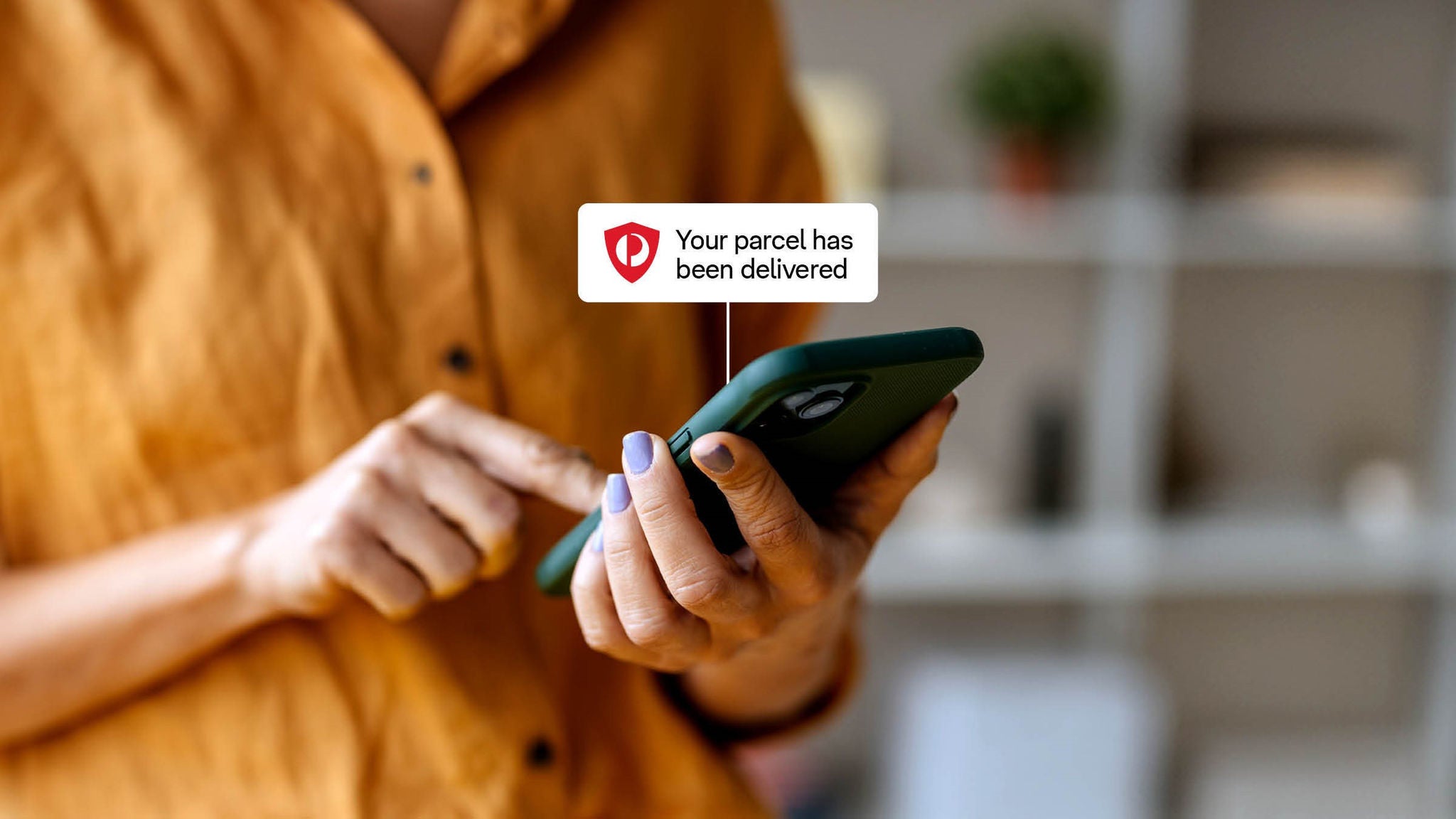
There's often an assumption that faster fulfilment automatically leads to better customer outcomes. But while speed matters, it's only one piece of a much larger equation. Customers also value reliability, delivery choice, easy returns and accurate tracking information.
Supply chain efficiency remains a balancing act between cost, speed, expectations and capability. That balance becomes even more important as businesses expand their fulfilment options across stores, warehouses, Parcel Lockers, collection points and rapid delivery networks. And with 85% of shoppers saying a reliable delivery experience will be the most important factor in trusting online retailers over the next five years1, fulfilment has become a key driver of customer trust.
How customer expectations are shaping omnichannel fulfilment
Omnichannel supply chain and omnichannel customer experience are two different things.
Customers expect to shop whenever and wherever it suits them, while enjoying a consistent experience across every touchpoint. Whether they're browsing online, purchasing through an app, collecting an order in store or receiving a delivery at home, they expect the experience to feel connected.
Delivery choice has become an important part of the customer experience. Whether collecting in-store, using a Parcel Locker or opting for home delivery, customers want flexibility. Australia Post research found 56% of Gen Z and 45% of Millennials would switch retailers to access out of home collection options1, making delivery flexibility a growing competitive advantage.
The question for businesses is how supply chains can support these evolving expectations.
An omnichannel supply chain does this by bringing together stores, distribution centres, fulfilment locations and delivery networks into a connected ecosystem. To make that work efficiently, businesses need integrated systems that provide end-to-end visibility of inventory, orders and fulfilment capacity. It can no longer be a manual, reactive process.
Choosing the right omnichannel fulfilment strategy
eCommerce demand continues to grow. Australians spent a record $82.6 billion online in 2025, with 9.8 million households shopping online throughout the year¹. As shoppers purchase more frequently and from a wider range of retailers, businesses need fulfilment models that are both scalable and cost-effective.
Rather than choosing between stores and distribution centres, many businesses are adopting hybrid fulfilment models. Store fulfilment, centralised distribution centres, micro-fulfilment centres and rapid delivery networks can all play a role, depending on customer demand, inventory profiles and geographic reach.
The perception is that store-to-door fulfilment automatically leads to lower costs and faster delivery because inventory is closer to customers. In reality, businesses still need to balance inventory availability, labour costs, fulfilment efficiency and delivery performance.
At the same time, demand for faster delivery is growing, with 43% of consumers willing to pay extra for same-day or next-day delivery1. Australia Post's acquisition of Rendr is helping businesses meet this demand through same-day and three-hour delivery capabilities. However, the fastest option isn't always the most cost-effective or appropriate for every customer, product or fulfilment strategy.
That's why the first step is understanding what matters most to your customers.
If speed and convenience are key purchase drivers, local fulfilment and rapid delivery services may play an important role. If keeping costs low and maximising operational efficiency is the priority, centralised fulfilment may be a better fit.
For many organisations, the optimal approach is a combination of both.
4 common omnichannel fulfilment challenges
Businesses looking to optimise fulfilment performance often face three common challenges, regardless of size or industry.
1. How to split orders and fulfilment costs
Split shipments can increase fulfilment costs and create a fragmented customer experience.
If a customer orders multiple items and receives them across separate deliveries, shipping costs rise while customer satisfaction can suffer.
Reducing split shipments starts with inventory visibility and smarter order allocation. By connecting fulfilment systems and automating allocation decisions, businesses can better identify the location that can fulfil the largest portion of an order while balancing delivery speed and cost.
As well as improving operational efficiency, this can help reduce packaging waste and unnecessary transport movements.
2. Managing store capacity and fulfilment
Warehouses are designed for fulfilment efficiency. Retail stores are designed primarily for serving customers.
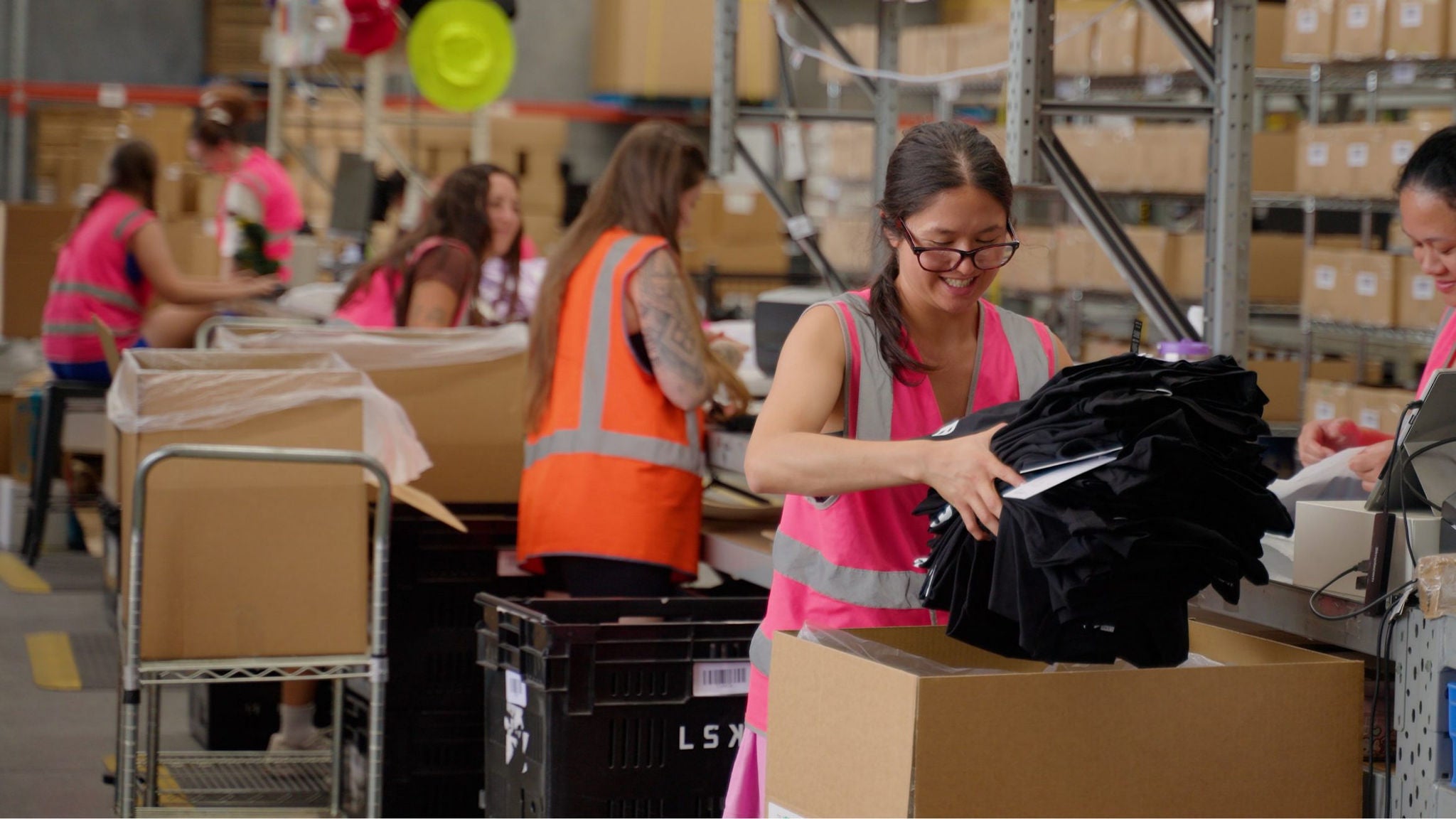
As businesses expand ship-from-store capabilities, they need to consider how fulfilment activities affect store operations. Picking, packing, staging and dispatching online orders requires space, equipment and trained staff.
Some organisations address this by creating hub stores that support local fulfilment, click and collect and rapid delivery services. Others use stores selectively during peak periods or when inventory levels make local fulfilment the most efficient option.
The key is ensuring stores can support fulfilment without impacting the in-store customer experience.
3. Improving inventory visibility across fulfilment networks
Accurate inventory visibility remains one of the biggest enablers of omnichannel fulfilment.
To make omnichannel fulfilment work, businesses need a clear view of inventory regardless of its location. That means connecting warehouse, eCommerce, point-of-sale and fulfilment systems into a single source of truth.
Retailers implementing "endless aisle" strategies can significantly increase product availability by giving customers access to inventory across stores, warehouses and fulfilment locations. By reducing stock silos and connecting inventory systems, businesses can minimise lost sales opportunities while improving the customer experience.
Integrated systems also reduce manual handling, minimise fulfilment errors and provide customers with more accurate tracking and delivery information.
Increasingly, businesses are also using automation, predictive analytics and AI-powered inventory management to improve fulfilment decisions. These tools can help reduce split shipments, optimise inventory placement and improve order routing across fulfilment networks.
4. Offering flexible delivery and collection options
Customer expectations have evolved beyond simply receiving parcels quickly.
Today's shoppers increasingly expect delivery options that suit their lifestyle, whether that's home delivery, click and collect, Parcel Lockers, collection points or same-day delivery.
Providing more choice doesn't necessarily mean creating more complexity. With integrated fulfilment and inventory systems, businesses can dynamically route orders to the most efficient fulfilment point while giving customers greater flexibility.
The businesses that succeed will be those that offer the right combination of convenience, speed and reliability while maintaining operational efficiency behind the scenes.
Building a more efficient omnichannel fulfilment strategy
Ultimately, the goal is to balance speed, cost, flexibility and customer experience.
The most effective fulfilment strategies are those that adapt to changing customer expectations while remaining operationally efficient and scalable. As eCommerce continues to evolve, businesses need greater inventory visibility, smarter fulfilment decisions and more delivery options than ever before.