Winning the sale is just the beginning
Australians spent $82.6 billion online in 2025, with 9.8 million households shopping online and buying more frequently than ever.1
But as the market grows, customer loyalty is getting harder to earn. The average household now shops across around 16 different retailers each year, and smaller basket sizes mean each order carries more pressure to deliver a smooth experience.
In this environment, winning the first sale is only part of the challenge. Long-term growth comes from giving customers a reason to return, and delivery is one of the clearest signals of reliability after they click buy.
From checkout to doorstep, delivery influences how customers judge your brand. When expectations are clear and the experience runs smoothly, you can improve repeat purchase, reduce support enquiries and protect margin by avoiding costly delivery issues.
Why your delivery experience matters for customer loyalty
For most eCommerce businesses, delivery is the only physical interaction with your customer.
As THE ICONIC’s COO Rostin Javadi puts it, delivery is “the main and almost only physical touch point” with customers.
That moment matters. A delivery that arrives on time and without friction reinforces trust, completes the purchase experience and makes a second order more likely.
On the other hand, a delayed or missed delivery can overshadow everything that came before it, no matter how strong your product, pricing or marketing may be.
As Good Pair Days CEO Tom Walenkamp explains: “You can do everything else right, but if you don’t have a good delivery experience, none of it matters.”
The data is clear: delivery drives conversion and repeat purchase
The impact of delivery isn’t just anecdotal. It shows up in conversion, retention and service costs, especially as shoppers place smaller, more frequent orders and expect clearer delivery choices at checkout.
- 73% of shoppers say a great delivery experience makes them more likely to buy again.1
- 70% say poor delivery communication at checkout makes them less likely to complete a purchase.1
Retention effects can be substantial, particularly when delivery options give customers more control over where and when they receive an order.
At Oz Hair and Beauty, customers who use collection points like Parcel Lockers report an NPS 56 points higher than those who experience a missed delivery.2
For retailers like THE ICONIC, improving delivery options, including out of home collection points, led to lower cart abandonment, fewer customer enquiries and higher conversion.
That’s both revenue upside and cost reduction driven by delivery improvements.
Where delivery wins (or fails): the moments that matter most
The strongest delivery experiences are built across a few key moments in the journey. Each one helps set expectations, reduce friction and strengthen confidence in the purchase. Here are four points in the eCommerce journey you can embed delivery experience best practice.
1. Checkout
Checkout is where customers decide whether to proceed, and delivery plays a major role in that decision. Clear timing, transparent costs and convenient collection options can reduce hesitation before payment.
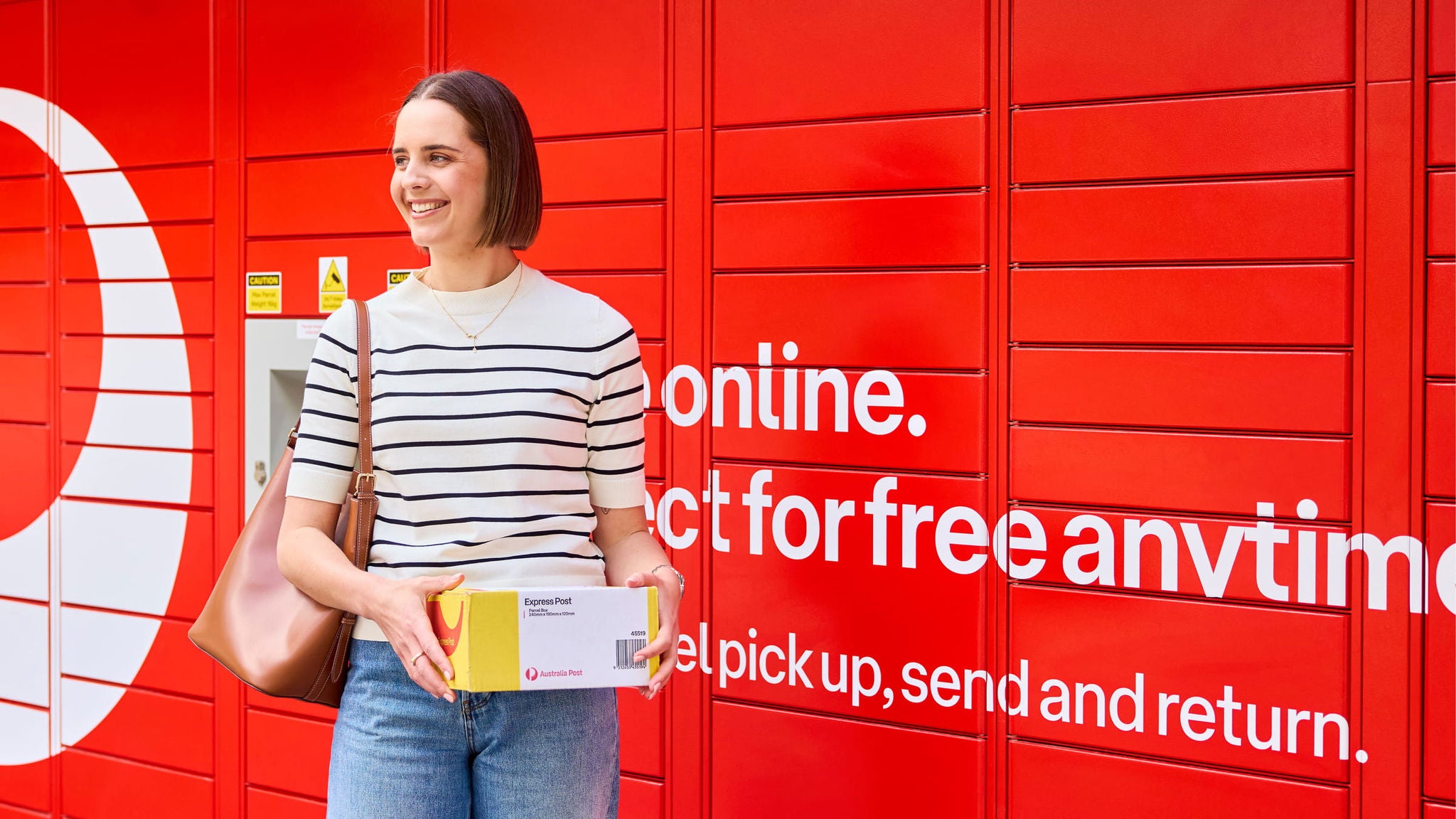
In fact, 56% of Gen Z and 45% of Millennials say they would switch retailers to access out of home collection options such as Parcel Lockers.1
2. Fulfilment
Choosing the lowest-cost carrier doesn’t always create the best customer outcome. A cheaper option can quickly become more expensive if it leads to delays, redeliveries or extra service contacts.
Late or missed deliveries can increase support enquiries, reduce repeat purchase and drive operational costs. A stronger approach is to balance costs with reliability by:
- Using postcode-based routing
- Setting rules for high-value or fragile items
- Monitoring performance metrics like DIFOT (Delivery In Full, On Time)
Starting your fulfilment processes as soon as the customer places their order (or as quickly as possible) will also help ensure their parcel reaches them quickly, leading to a better – and more memorable – delivery experience.
3. Post-purchase
After checkout, customers want visibility and control.
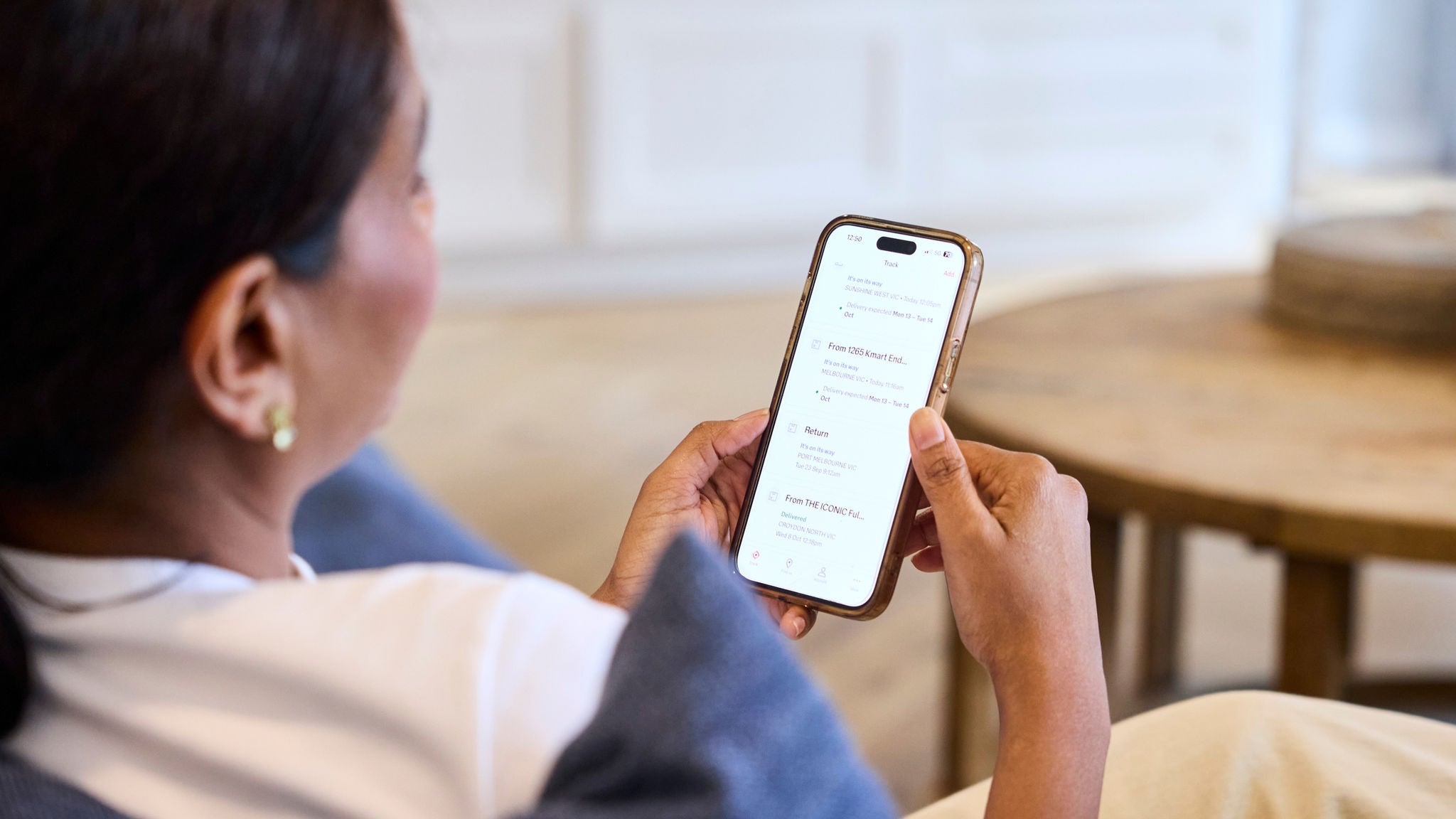
Providing proactive updates through tools like tracking notifications and the AusPost app helps customers feel informed and in control, which is especially important when delivery windows are tight or plans change. Effective post-purchase communications can:
- Keep customers informed
- Reduce “Where is my order?” enquiries
- Improve overall confidence in your brand
Customers can also redirect deliveries or choose alternative collection options, giving them more flexibility.
4. Returns
Returns are part of the overall delivery promise, not something customers think about only after a problem occurs. A simple, easy-to-understand returns process can:
- Increase confidence before purchase
- Reduce hesitation at checkout
- Encourage future purchases
Best practice includes:
- Clear returns policies
- Easy-to-access instructions
- Convenient drop-off options through Australia Post